November 10, 2026
Turning on a faucet in a home connected to a private well seems straightforward, but delivering steady water pressure requires an intricate mechanical network operating continuously behind the scenes. Unlike municipal water grids that rely on massive municipal towers and extensive distribution mains, private residential setups depend entirely on localized machinery to draw, pressurize, and deliver water throughout the living space. At the core of this independent system sits the pressure tank, an indispensable vessel engineered to stabilize household delivery while protecting costly underground pumps from rapid mechanical burnout. When a pressure vessel malfunctions, domestic routines grind to an immediate halt, leaving families without running water for sanitation, cooking, or bathing.
Private water infrastructure serves as the daily lifeline for millions of residential properties across the nation, particularly in rural and semi-rural regions where civic water connections remain non-existent. According to Water Research, a full 95 percent of census blocks in deeply rural areas depend entirely on private well infrastructure. Because these independent setups bear the entire burden of daily domestic usage without backup municipal supply lines, every mechanical component must operate within precise physical parameters. Familiarizing yourself with the anatomical layout of your pressure vessel, understanding the physics governing its operation, and partnering with experienced providers of water well pump services ensures that minor component fatigue does not escalate into catastrophic equipment failure.
Understanding the Mechanical Purpose of the Pressure Tank
Many property owners mistakenly assume that the well pump kicks on the precise second a tap opens and shuts off the exact instant the fixture closes. In reality, deep well pump motors are built to run during steady, extended pumping intervals rather than enduring frequent, sporadic starts and stops. Forcing an electric motor to switch on and off repeatedly to dispense a single glass of water or rinse hands creates extreme electrical friction, spikes power consumption, and rapidly destroys motor start capacitors. When pressure anomalies arise, consulting trusted water well pump services helps homeowners pinpoint whether the issue stems from pump cycling or a deteriorating tank environment.
Beyond safeguarding the electrical health of the pump motor, an intact pressure tank regulates the consistency of water flow throughout the home. Without a pressurized storage buffer, water exiting household fixtures would surge and spit in violent bursts synchronized directly with the unbuffered output of the pump impellers. The pressure tank smooths out these mechanical pressure spikes, dampening hydraulic shock waves known as water hammer that can loosen pipe fittings and crack supply joints. Once water usage depletes the stored reserve and system pressure drops to a designated low threshold, the electrical controls engage the pump to refill the vessel, creating a seamless, reliable utility experience across the entire home.
Examining the Core Structural Components of Modern Vessels
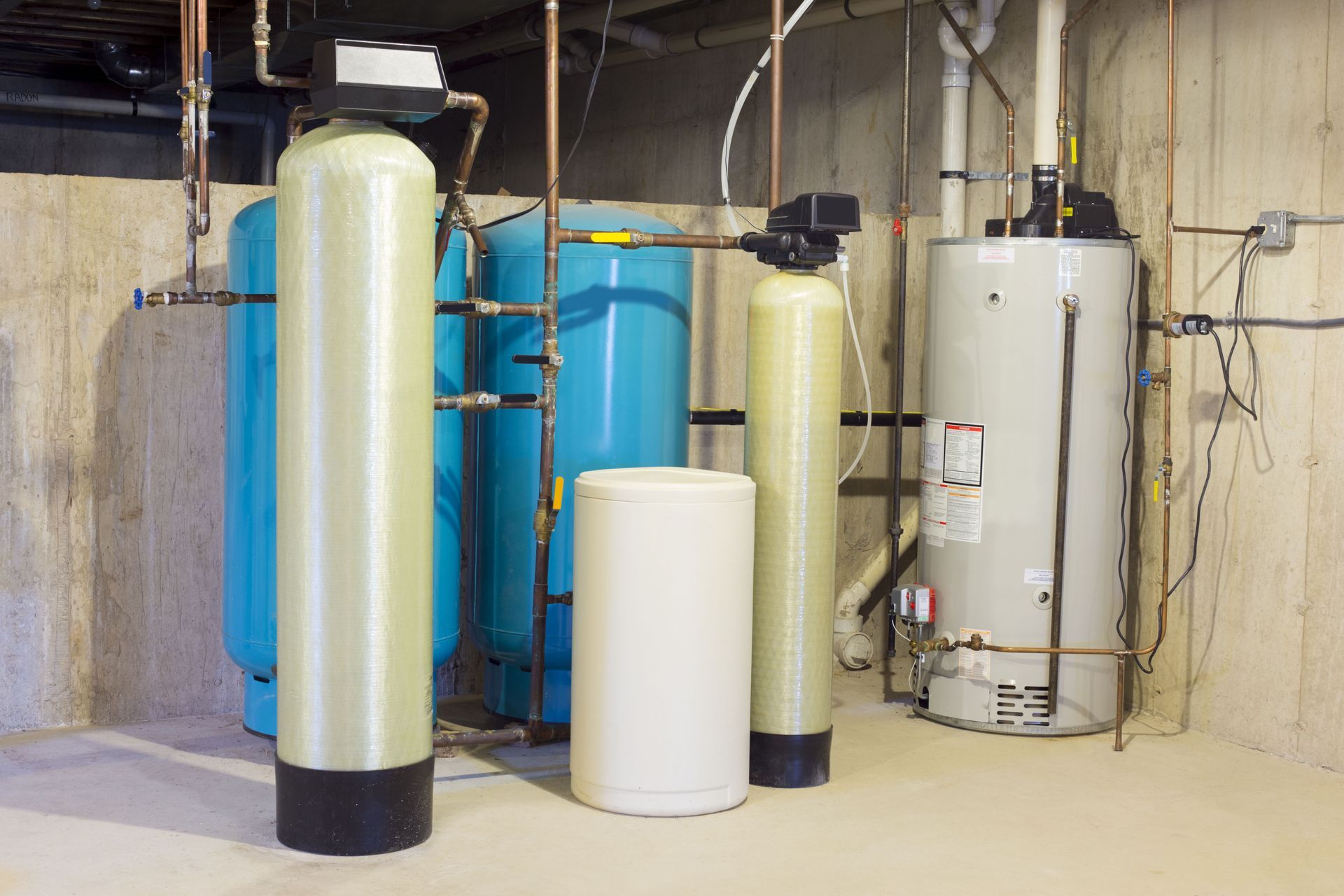
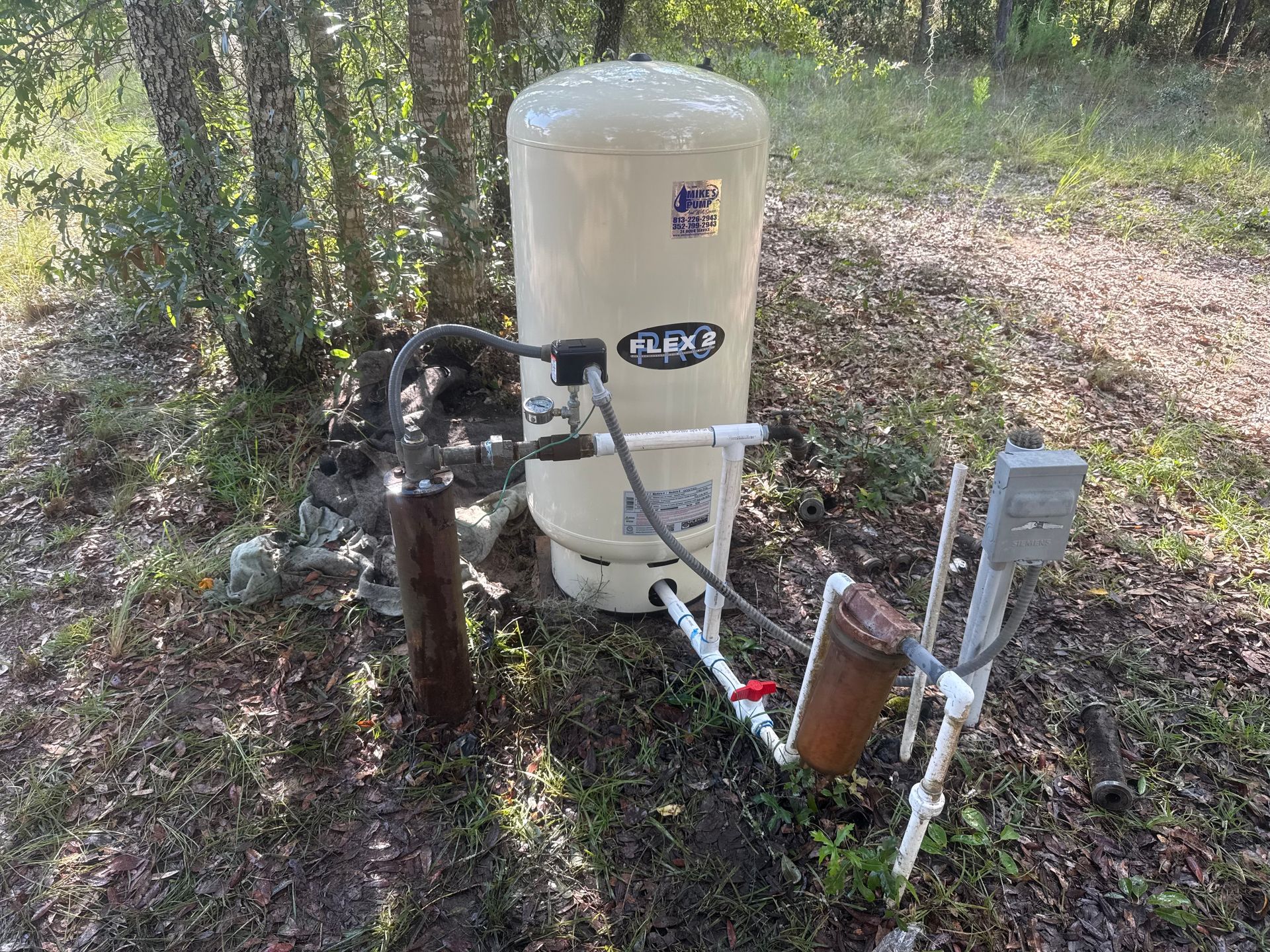
While early residential water systems relied on unseparated galvanized metal cylinders that required manual air replenishment, modern domestic designs universally utilize pre-pressurized diaphragm or bladder configurations. The primary structure consists of a heavy-gauge welded steel or composite fiberglass outer shell engineered to withstand continuous internal working stresses exceeding one hundred pounds per square inch. Within this outer containment shell, a flexible, heavy-duty butyl rubber bladder or synthetic elastomer diaphragm acts as a physical barrier separating incoming well water from a permanent pocket of compressed air, preventing water absorption into the air supply.
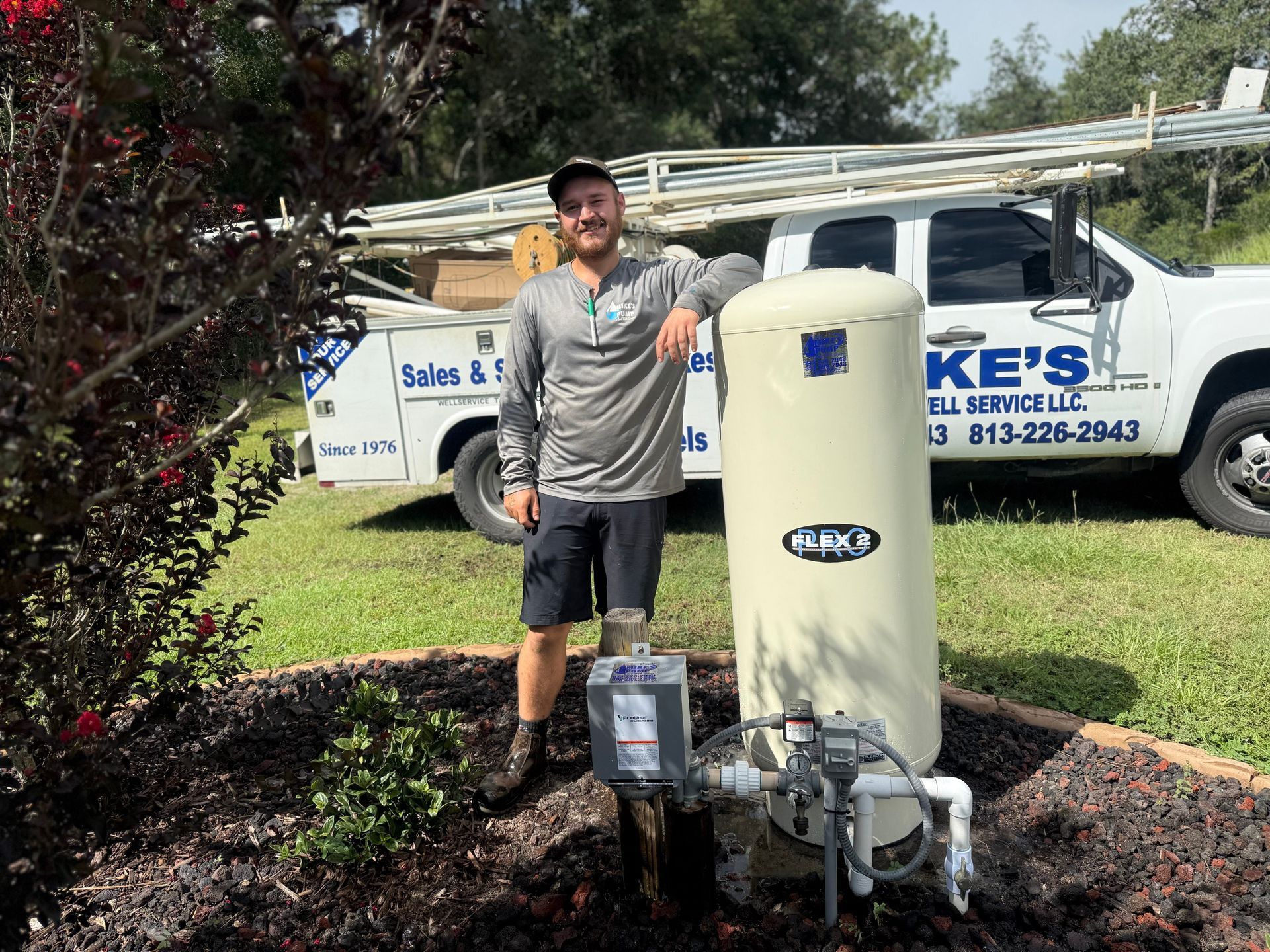
The base of the pressure tank connects directly to the domestic plumbing manifold via a specialized bronze or brass fitting known as a tank tee. This centralized junction houses the entire array of monitoring and safety controls required for automated operation, including an analog pressure gauge that displays real-time system metrics and an electromechanical pressure switch that governs pump cycling. The manifold also incorporates an emergency pressure relief valve designed to vent safely if internal pressure spikes beyond safe operating levels, alongside a dedicated drain valve used by technicians during routine system flushes. At the top of the cylinder, an integrated brass Schrader air valve allows specialists from professional water well pump services to measure pre-charge air levels and inject supplemental compressed air during seasonal diagnostic visits.
Exploring the Physical Pressure Cycle Governed by Boyle's Law
The operation of a residential well pressure tank relies on the physical law that water cannot be compressed, whereas gases compress readily under applied force. When the system is fully pressurized and idle, the sealed pocket of air surrounding the internal rubber bladder occupies a fixed volume at a factory-calibrated pressure rating. As water is drawn from household taps, the expanding air cushion acts as an invisible mechanical spring, exerting continuous downward force against the flexible bladder to drive stored water out through the distribution plumbing without activating the well pump motor.
As the water reserve within the bladder drains, the expanding air pocket loses pressure until it reaches the pre-set cut-in threshold calibrated on the system's electromechanical pressure switch. At this exact moment, the electrical contacts snap closed, sending line voltage down the well shaft to activate the pump motor and force fresh groundwater back into the rubber reservoir. Balancing this pneumatic ratio requires specialized tools, which is why property owners schedule evaluations with reputable water well pump services to ensure the air pre-charge precisely matches manufacturer specifications.
Recognizing the Common Warning Signs of Bladder and System Fatigue
Because pressure tanks operate quietly within basements, crawlspaces, or exterior utility sheds, progressive internal defects frequently go unnoticed until total mechanical failure occurs. The most common and destructive failure mode is waterlogging, which happens when the internal rubber bladder develops microscopic perforations or tears completely. When the bladder fails, pressurized air dissolves directly into the standing water, leaving the tank filled with incompressible liquid and completely eliminating the pneumatic buffer required for stable system operation.
A waterlogged pressure tank manifests through distinct physical symptoms that demand immediate diagnostic attention from seasoned providers of water well pump services. As soon as the air cushion disappears, the well pump begins short-cycling, rapidly toggling on and off every few seconds whenever a faucet runs. This frantic cycling rapidly overheats motor windings, causes noticeable flickering in household lights, and generates violent pressure fluctuations and sputtering air pockets at plumbing fixtures.
Implementing Routine Professional Maintenance to Prevent Costly Failures
Routine preventive maintenance is essential for maximizing the operational lifespan of residential water infrastructure and avoiding expensive emergency interventions. Over years of continuous mechanical movement, the flexible elastomer membranes inside pressure tanks experience gradual material fatigue from cyclical expansion and contraction. Additionally, regional water conditions that feature elevated concentrations of dissolved iron, calcium, or abrasive silica sediment can foul delicate mechanical sensors, plug the small aperture leading to the pressure switch, and degrade connection fittings along the primary distribution manifold.
Professional maintenance procedures involve completely isolating the tank from household plumbing lines, draining all stored water to remove settled silt, and utilizing precision pressure gauges to evaluate the true dry air pre-charge of the upper chamber. Technicians from qualified water well pump services inspect electrical contact points for carbon scoring, test pressure relief valves for mineral encrustation, and verify that the pump motor draw aligns with original factory specifications. Investing in these routine structural audits prevents undetected tank degradation from burning out deep well pumps, ensuring steady household pressure and protecting family water access through every season.
A properly calibrated well pressure tank serves as the unsung protector of private water delivery, transforming intermittent groundwater extraction into a stable, pressurized utility capable of handling modern domestic demands. Recognizing the mechanical role of the tank, understanding how compressed air preserves pump longevity, and identifying early indications of bladder failure allows property owners to resolve small system imbalances before they result in catastrophic failures. By tracking pump cycling frequency, monitoring gauge readings, and entrusting system maintenance to established providers of water well pump services, homeowners can guarantee safe, reliable water delivery for decades to come. Contact Mike's Pump and Well Service today to schedule a comprehensive well system inspection and keep your home's water pressure running reliably year-round.