September 11, 2026
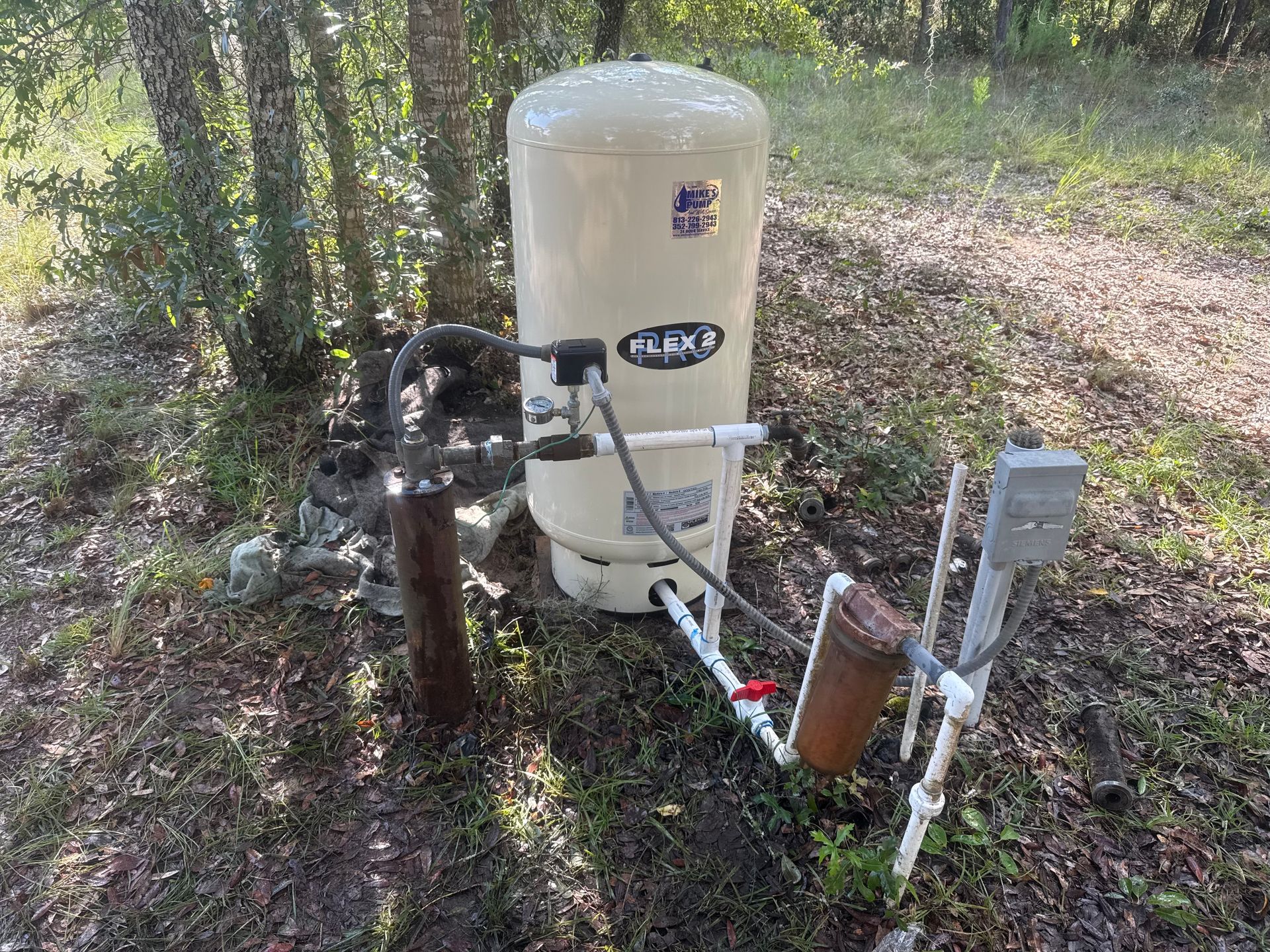
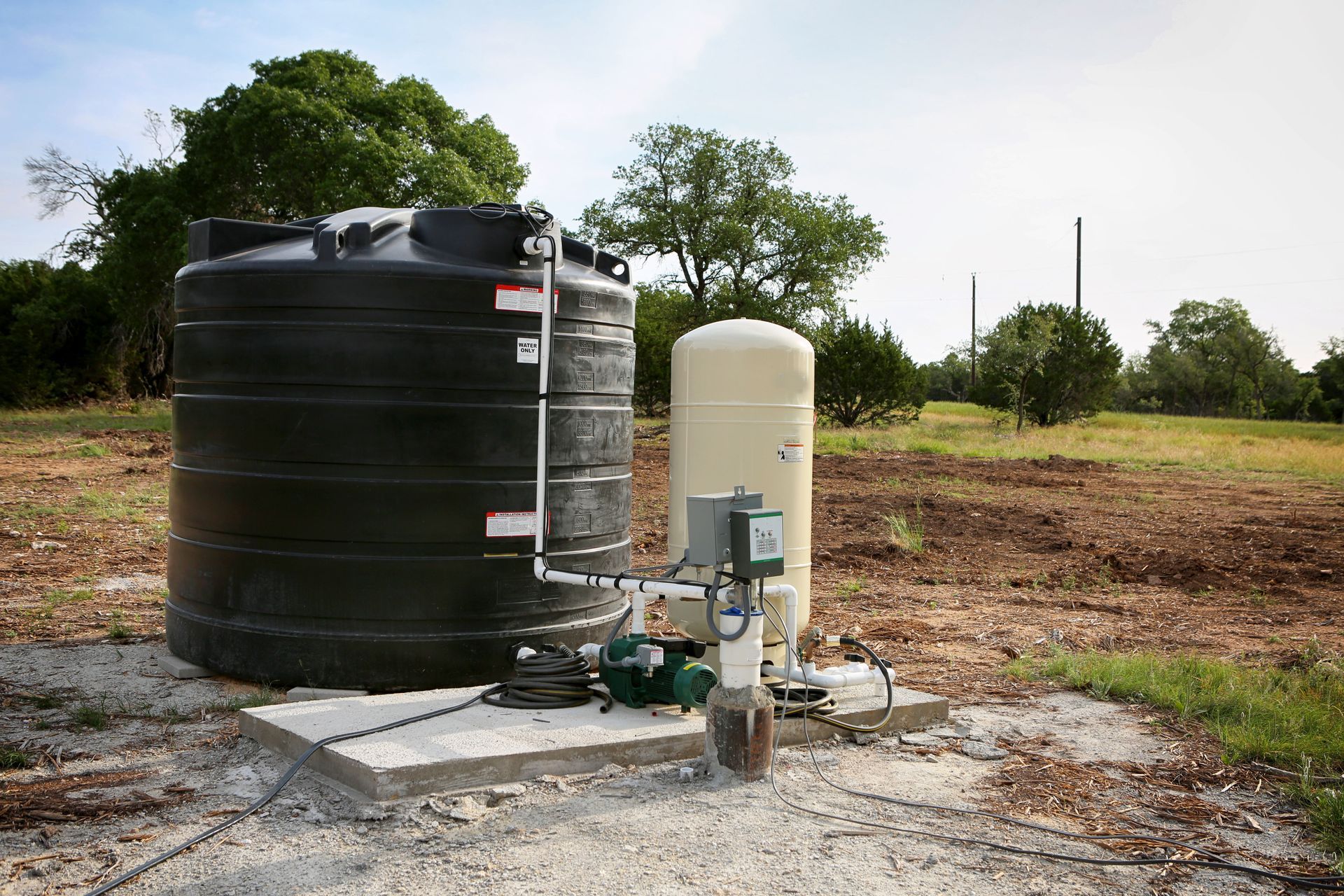
Access to a clean, reliable, and continuous supply of groundwater remains vital for residential households, rural estates, and agricultural operations that depend on private water systems. Unlike municipal utility networks that deliver pressurized water directly from public treatment plants, private properties rely entirely on subterranean mechanical equipment to draw water from underground aquifers. At the center of this private infrastructure sits the subterranean pumping assembly, an essential piece of machinery engineered to pull water from deep underground reserves and pressurize holding tanks for daily household usage. According to Human Concern International, 72% of freshwater withdrawals are used by agriculture. Because these specialized mechanical units operate deep underground or inside dark casing pipes, physical wear and mechanical deterioration often progress unnoticed until severe system failures occur. Recognizing early warning signs of equipment failure allows property owners to address minor mechanical issues before complete system breakdowns leave households without running water. Timely professional interventions preserve water quality, protect internal electrical components, and prevent expensive emergency replacements. Understanding subtle performance shifts empowers property owners to maintain consistent water pressure, safeguard household plumbing fixtures, and ensure reliable water access across every season. Taking proactive steps at the first sign of trouble preserves vital water supplies and protects your household infrastructure from unexpected disruptions.
Identifying Sudden Fluctuations and Drops in Water Pressure
Experiencing erratic or declining water pressure across household faucets serves as a primary indicator that your groundwater extraction equipment requires professional attention. When showering, washing dishes, or running laundry appliances, water flow should remain steady and strong across every fixture in the home. A sudden drop in pressure or intermittent sputtering often signals failing mechanical impellers, clogged intake screens, or declining motor performance within the subterranean assembly. Contracting for professional well pump repair allows certified technicians to evaluate pressure tank bladders, measure electrical current draws, and clear mineral obstructions inside supply lines. Furthermore, pressure drops can stem from failing pressure switches that fail to signal the motor when system pressure drops below operational thresholds. Addressing pressure fluctuations promptly prevents internal motor overheating and protects household plumbing infrastructure from pressure surges. Professional diagnostic evaluations identify the exact source of pressure loss, restoring strong, consistent flow across all household fixtures. Thorough diagnostic checks ensure that electrical switches function accurately and that internal line pressure remains stable. Investing in timely mechanical care restores optimal household flow.
Observing Sputtering Faucets and Air Intrusion in Supply Lines
Sputtering faucets that release aggressive bursts of air alongside water streams indicate significant air intrusion within your pressurized plumbing lines. Air pockets enter household piping when water levels inside the subterranean casing drop below the intake check valve or when supply pipes develop hairline cracks. Furthermore, failing check valves allow water to bleed back down into the underground aquifer, pulling atmospheric air into the top of the piping network. Requesting timely well pump repair ensures that technicians can inspect subterranean check valves, replace cracked drop pipes, and verify dynamic water levels inside the casing. Ignoring sputtering fixtures causes severe water hammer effects that stress pipe joints, damage delicate internal appliance valves, and accelerate mechanical wear on pressure control switches. Restoring airtight seals throughout the extraction line eliminates air pockets, quiets noisy plumbing pipes, and guarantees smooth, uninterrupted liquid delivery to every tap in your residence. Replacing worn check valves protects system pressure and prevents atmospheric air from contaminating household lines. Maintaining an airtight piping network extends component lifespan.
Detecting Sputtering Motor Cycles and Continuous Operation
Subterranean pumping equipment should operate intermittently, turning on only when pressure tank levels drop and shutting off once optimal pressure is restored. A system that runs continuously without cycling off signals serious mechanical wear, major pressure tank failure, or severe subterranean water leaks. Continuous motor operation rapidly overheats internal electrical windings, burns out starting capacitors, and inflates monthly utility bills exponentially. Partnering with experienced technicians providing reliable well pump repair helps diagnose failing pressure switch contacts, ruptured tank bladders, or worn internal impellers that prevent the system from reaching cut-off pressure. Furthermore, continuous cycling can indicate a leaking check valve or a declining water table that forces the motor to run indefinitely to satisfy basic household demand. Prompt professional repairs prevent catastrophic motor burnouts, save substantial electrical energy, and extend total mechanical equipment longevity. Inspecting control switch contacts prevents continuous motor strain, protecting internal electrical windings from thermal degradation. Timely repairs save electrical energy and maintain pressure tank performance.
Monitoring Unexplained Increases in Monthly Electrical Bills
An unexpected spike in monthly electricity costs often serves as a silent warning sign that subterranean extraction equipment is struggling mechanically behind the scenes. As internal mechanical bearings wear out, electrical motors require significantly more amperage to turn drive shafts and lift water to surface holding tanks. Additionally, a damaged pressure switch or waterlogged pressure tank forces the extraction motor to cycle on and off hundreds of times daily, drawing massive electrical surge currents with every start. Scheduling professional well pump repair allows certified specialists to measure motor amperage, test electrical capacitors, and evaluate overall mechanical efficiency. Addressing hidden electrical inefficiencies lowers monthly power bills and prevents sudden motor burnouts that leave families stranded without running water. Routine electrical monitoring ensures that mechanical components operate within factory amperage parameters, protecting both your utility budget and equipment health. Measuring motor amperage during active operation helps technicians identify failing components before complete failure occurs. Maintaining efficient motor performance controls utility costs.
Recognizing Murky Water and Sediment Accumulation
Pumping cloudy, discolored, or sand-filled water into household sinks signals severe subterranean wear or structural casing damage deep below the surface. Discolored water often indicates that the extraction assembly is positioned too low in the underground column, drawing sand, silt, and organic sediment directly from the aquifer floor. Furthermore, worn mechanical impellers can grind against internal housings, releasing metallic particles or dislodging heavy mineral scale into household supply lines. Engaging credentialed experts for specialized well pump repair allows technicians to adjust pump placement depth, flush mineral sediment from holding tanks, and replace worn impeller assemblies. Consuming or bathing in sediment-laden water ruins delicate water softeners, clogs internal faucet aerators, and damages clothes washing machines. Resolving sediment problems protects household appliances, preserves drinking water clarity, and ensures that internal plumbing valves remain free from abrasive grit. Adjusting subterranean pump depth prevents intake screens from drawing settled debris from the aquifer floor. Flushed holding tanks protect household plumbing fixtures from abrasive mineral damage.
Maintaining a healthy, reliable groundwater extraction system requires constant vigilance, prompt mechanical evaluation, and professional trade interventions whenever performance anomalies occur. Addressing pressure drops, air intrusion, continuous cycling, sudden electrical spikes, murky water, and strange noises protects your investment and ensures uninterrupted water delivery. Ignoring subtle mechanical warning signs leads to catastrophic motor burnouts, ruined pressure tanks, and expensive emergency replacements. Protecting your home with professional diagnostic care preserves water quality, extends equipment lifespan, and safeguards household comfort across every season. Investing in timely mechanical care converts potential plumbing disasters into simple, manageable repairs that preserve your private utility infrastructure.
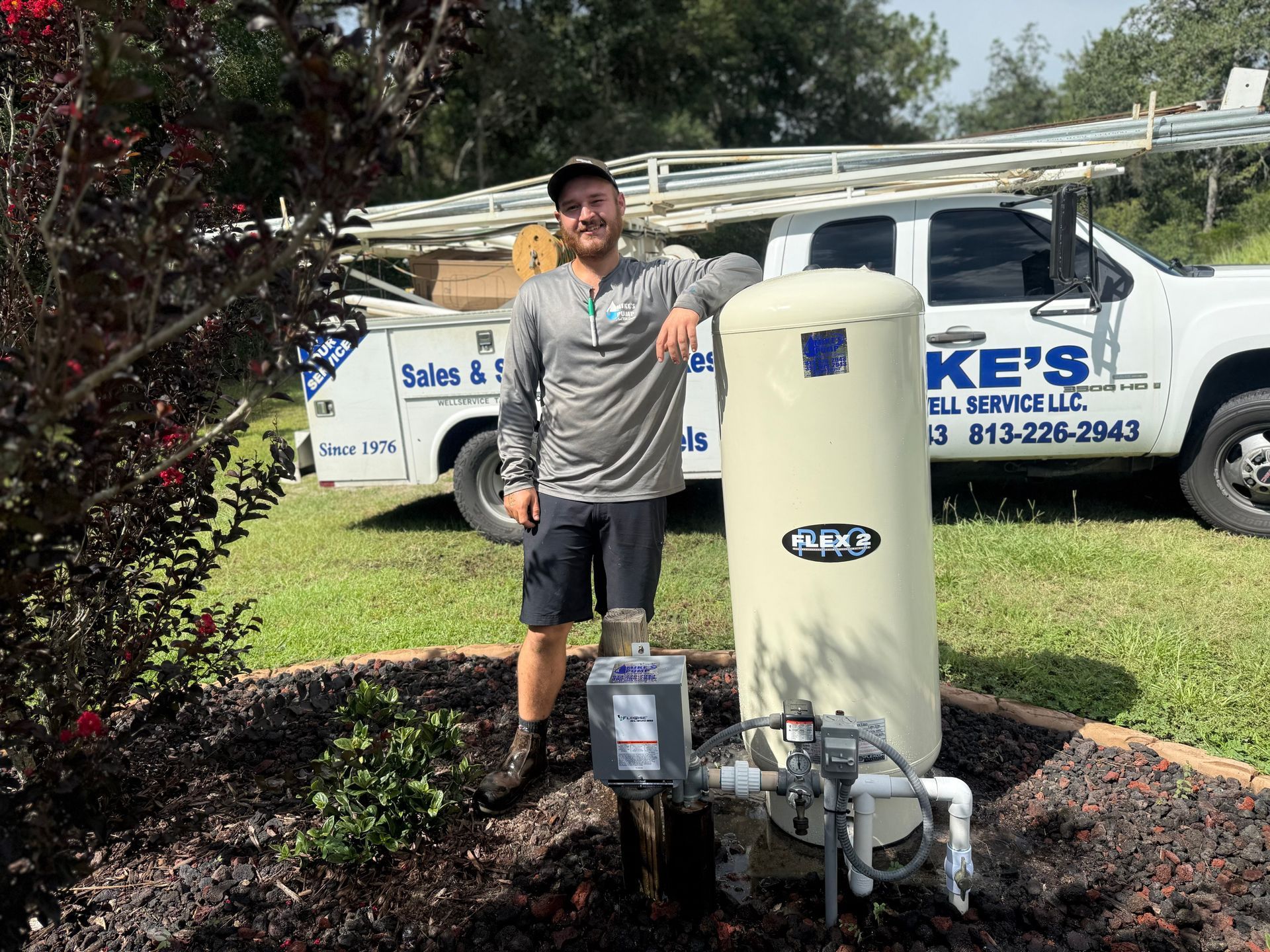
At Mike's Pump and Well Service, our dedicated team brings extensive technical expertise, state-of-the-art diagnostic equipment, and an unwavering commitment to quality on every service call we handle, ensuring your groundwater system remains safe, efficient, and fully operational through every season. Contact us today to schedule your comprehensive equipment inspection and discover how expert mechanical care restores complete peace of mind to your household water supply.